
KEYNOTE SPEAKERS
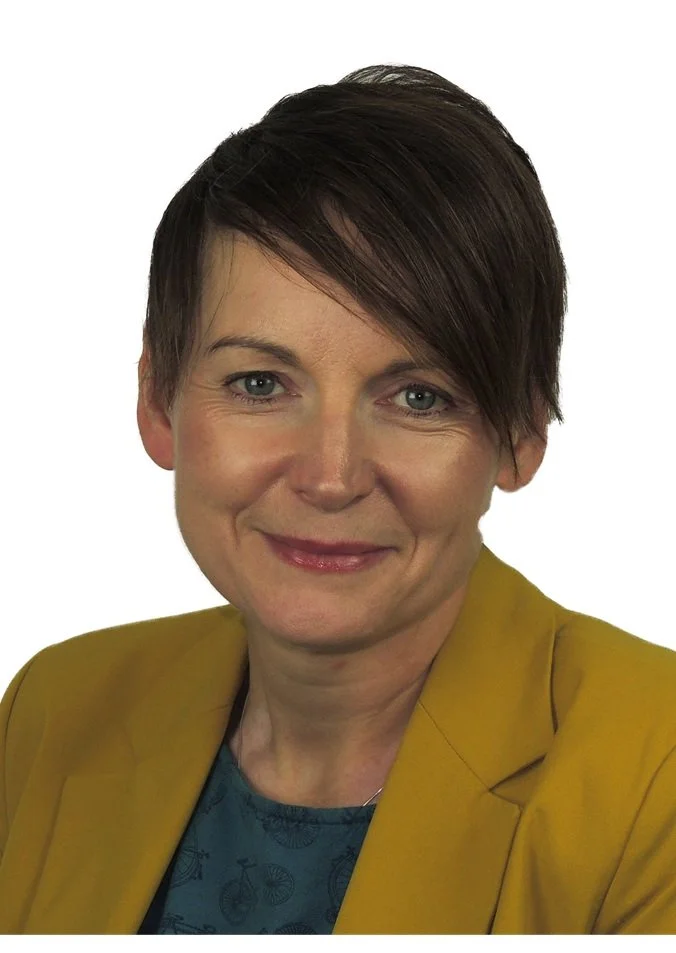
Associate Professor Linda Ferrington
PhD, PGCHE, SFHEA
School of Clinical Medicine, UNSW Sydney
-
Associate Professor Linda Ferrington is an academic leader and educator within the School of Clinical Medicine at UNSW Sydney and the Rural Clinical Campus Port Macquarie, with extensive experience across medical education, curriculum development, student engagement, academic wellbeing, and tertiary teaching practice.
Her work focuses on the development and delivery of engaging, evidence-informed learning experiences for adult learners within higher education and clinical training environments. She plays an active role in teaching, assessment, and curriculum development within Phase 1 Medicine at UNSW Sydney, while contributing to innovative approaches that support student engagement, retention, and long-term educational outcomes.
Associate Professor Ferrington has a strong interest in learner wellbeing, educational sustainability, and the development of supportive and effective learning environments within medicine and health education.
At the Australian Universal Wellbeing Symposium 2026, Associate Professor Ferrington will contribute perspectives from contemporary medical and tertiary education, exploring the importance of engagement, learning environments, curriculum innovation, and long-term wellbeing approaches within higher education and health training systems. She will also highlight a new research project investigating the Universal Wellbeing of higher education academics.
Through her work at UNSW Sydney, Associate Professor Ferrington continues to contribute to advancing teaching practice, curriculum innovation, wellbeing leadership, and educational excellence within contemporary medical and tertiary education.

Dr M Tasdik Hasan
Policy and Advocacy Lead,
Mental Health Council of Tasmania, Australia
-
Tasdik Hasan is an internationally recognised researcher in public health, digital mental health, and wellbeing, whose work spans Australia, Bangladesh, the United Kingdom, Africa, and the wider South-East Asian region. He serves as Policy and Advocacy Lead at the Mental Health Council of Tasmania and is a PhD Fellow in Digital Mental Health at Monash University's Action Lab, Faculty of Information Technology.
His expertise spans mental health policy, digital health innovation, public health systems, and upstream approaches to prevention and wellbeing promotion. Alongside his research and policy roles, he contributes to academic teaching, international research collaborations, and public health capacity-building initiatives across multiple countries and contexts. Dr Hasan is the recipient of several prestigious awards, including the Digital Mental Health Leadership Excellence Award (eMHIC, Canada), the New Voices in Global Health Award (World Health Summit, Berlin), the Study UK Alumni Award (National Award, Bangladesh), and the Emerging Public Health Leader of the Year and Emerging Mental Health Leader of the Year awards, both from the Public Health Association of Australia.

Professor Phil Riley
Honorary Professor, School of Education,
Deakin University
-
Professor Phil Riley is an internationally recognised researcher in educational leadership, principal wellbeing, and occupational health. A former school principal, his work explores the intersection of psychology, education, and leadership, with a particular focus on the wellbeing of educational leaders and the conditions that enable thriving school communities. He is the Director and Chief Investigator of the Principal Health and Wellbeing Survey, Australia's leading longitudinal study of principal wellbeing, conducted across Australia, New Zealand, Ireland, and Finland. Professor Riley has published extensively, secured significant competitive research funding, and is a recipient of the Australian Council for Educational Leadership Researcher of the Year Award.

Dr Jolene Morse
Chief Risk Officer at Catholic Education Sandhurst
-
Dr Jolene Morse is a Chief Risk & Governance Leader, Board Director, Lecturer, and Enterprise Risk Management specialist with more than 20 years of experience across education, financial services, health, consulting, wellbeing and the public sector.
Currently serving as Chief Risk Officer at Catholic Education Sandhurst Limited in Australia, Dr Morse leads system-wide risk, compliance, governance, assurance, and organisational resilience across almost 60 schools and early childhood services.
Her work sits at the intersection of governance, leadership, organisational culture, resilience, and strategic decision-making, helping organisations strengthen trust, navigate uncertainty, and build long-term adaptive capability in increasingly complex environments.
Dr Morse holds a Doctorate in Enterprise Risk Management and is currently undertaking postgraduate studies in Educational Neuroscience. Alongside her executive leadership roles, she serves as a board director, audit and risk committee member, and Adjunct Associate Professor and lecturer.
She is also a member of the Universal Wellbeing Charter International Advisory Board and will contribute to the Australian Universal Wellbeing Symposium 2026 through presentations and discussions connected to:
• The Universal Wellbeing Charter and primordial prevention systems thinking
• Governance, leadership, and organisational resilience
• Building adaptive and risk-aware organisational cultures
• Ethical leadership and long-term decision-making
• Workforce wellbeing, trust, and sustainable systems leadership
• Cross-sector approaches to resilience, governance, and preventionHer contribution brings an important Australian leadership and governance perspective to conversations surrounding prevention, wellbeing, resilience, and long-term societal outcomes.

Prof Justine Gatt
Scientific Director – 18 and Up Study, Sax Institute
Adjunct Professor, School of Psychology, Faculty of Science, UNSW
-
Justine Gatt is an internationally recognised neuroscientist and mental health researcher with more than 25 years’ experience advancing the science of wellbeing, resilience, and recovery across the lifespan. She is Scientific Director of the 18 and Up Study at the Sax Institute, a nationally significant longitudinal study of mental health and wellbeing involving more than 300,000 Australians.
She is also an Adjunct Professor of Psychology at the University of New South Wales (UNSW), where she founded and led Australia’s first dedicated research programme in the neuroscience of wellbeing and resilience. Her research spans longitudinal cohort studies, neuroimaging, twin research, and wellbeing interventions, including the development of the COMPAS-W Wellbeing Scale.
Prof Gatt has authored more than 110 peer-reviewed publications, and her work has informed policy, practice, and population mental health initiatives. She is also the founder of Tilt Your Life, translating wellbeing science into personalised, evidence-based tools for everyday wellbeing. Her achievements have been recognised through awards including the Worldwide University Network Award for Exceptional Achievement and the Commonwealth Health Minister’s Award for Excellence in Medical Research.

Dr Gabi Nudelman
Senior Lecturer
School of Management and Governance at UNSW Business School
-
Dr Gabi Nudelman is a Senior Lecturer within the School of Management and Governance at UNSW Business School, with expertise spanning higher education, organisational systems, professional identity, ethics of care, and sustainable approaches to learning and work.
Holding a PhD in Higher Education Studies from Rhodes University, Dr Nudelman’s research explores how educational and organisational systems can support more wellbeing supporting, humane, and just, alongside sustainable ways of working and learning across institutional settings.
Her work focuses particularly on professional identity, academic roles, institutional culture, and the importance of wellbeing, care, kindness, and ethical leadership within contemporary education and organisational environments.
As an educator and researcher, Dr Nudelman contributes to advancing critical conversations around leadership, organisational wellbeing, higher education systems, and sustainable institutional practice.
At the Australian Universal Wellbeing Symposium 2026, Dr Nudelman will draw on her research and practice to argue that higher education institutions, as sites of knowledge creation and formative spaces that shape the next generation of citizens and professionals, carry a unique and underutilised responsibility in the broader societal wellbeing project.
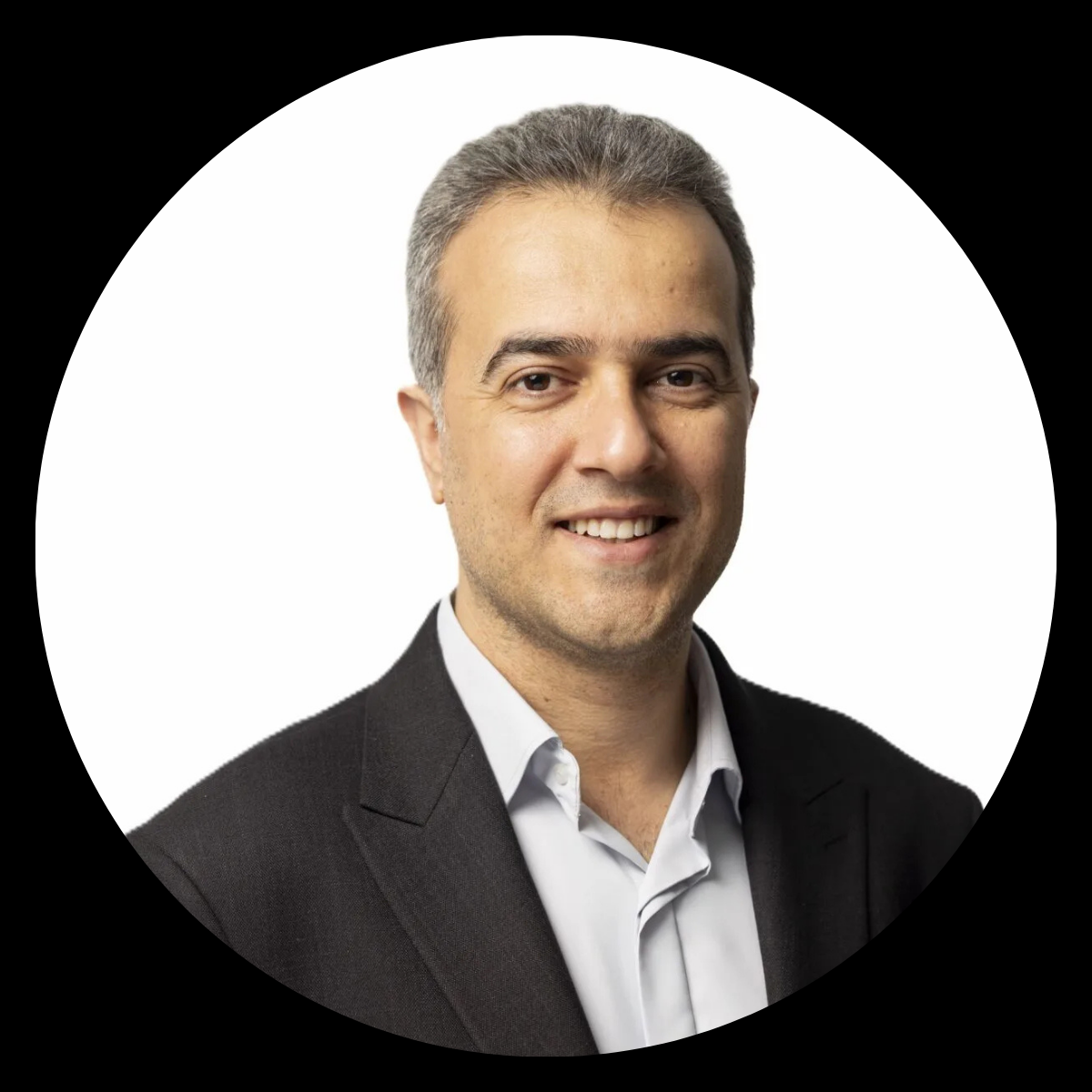
Dr Hossein Hosseini
Systems Modelling Research Fellow, Mental Wealth Initiative
Sydney School of Public Health, The University of Sydney
-
Dr Hossein Hosseini is a systems modeller and public health researcher whose work focuses on applying systems thinking and modelling to complex health and wellbeing challenges. His applied research informs complex prevention challenges by examining how interacting determinants together with feedback processes and policy responses, can produce both intended and unintended consequences.
As a Systems Modelling Research Fellow with the Mental Wealth Initiative at The University of Sydney, Dr Hosseini works at the intersection of public health, mental health policy, participatory systems modelling, and evidence-informed decision-making. His work supports policymakers, practitioners, researchers, and communities to move beyond fragmented or reactive responses and toward more integrated, prevention-focused approaches that recognise mental health and wellbeing as outcomes of dynamic systems. He also serves as President of the Oceania Chapter of the System Dynamics Society and is a member of the Management Committee of the Modelling and Simulation Society of Australia and New Zealand.
More info: https://profiles.sydney.edu.au/seyedhossein.hosseini
Keynote Presentation
Seeing Mental Health and Wellbeing as a System: From Complexity to Prevention-Focused Action
Presentation Focus
Many of today’s mental health challenges are not isolated problems to be solved, but patterns produced by systems we have yet to fully understand. They emerge from the interaction of conditions across multiple domains, including education, employment, housing security, social connectedness and cohesion, health and social services, economic environments, and public policy. For this reason, prevention-focused mental health action requires more than isolated programmes or short-term responses; it requires a way of seeing the wider system and understanding how patterns of risk, protection, access, and support evolve over time.
In this keynote, Dr Hosseini will introduce systems thinking and systems modelling as practical and accessible ways to understand complex mental health and wellbeing challenges. The session focuses on how systems approaches can help reveal interdependencies, feedback loops, delayed effects, trade-offs, and leverage points for system-level change. Drawing on contemporary public health and mental health policy research, the keynote will show how systems thinking can support more joined-up, prevention-oriented, and evidence-informed decision-making across sectors.
The presentation will also consider the role of modelling as a shared learning and decision-support process. Models are not simply technical tools; when used well, they can help diverse stakeholders test assumptions, explore possible futures, identify where interventions may have the greatest long-term impact, and strengthen collective understanding of complex social problems.
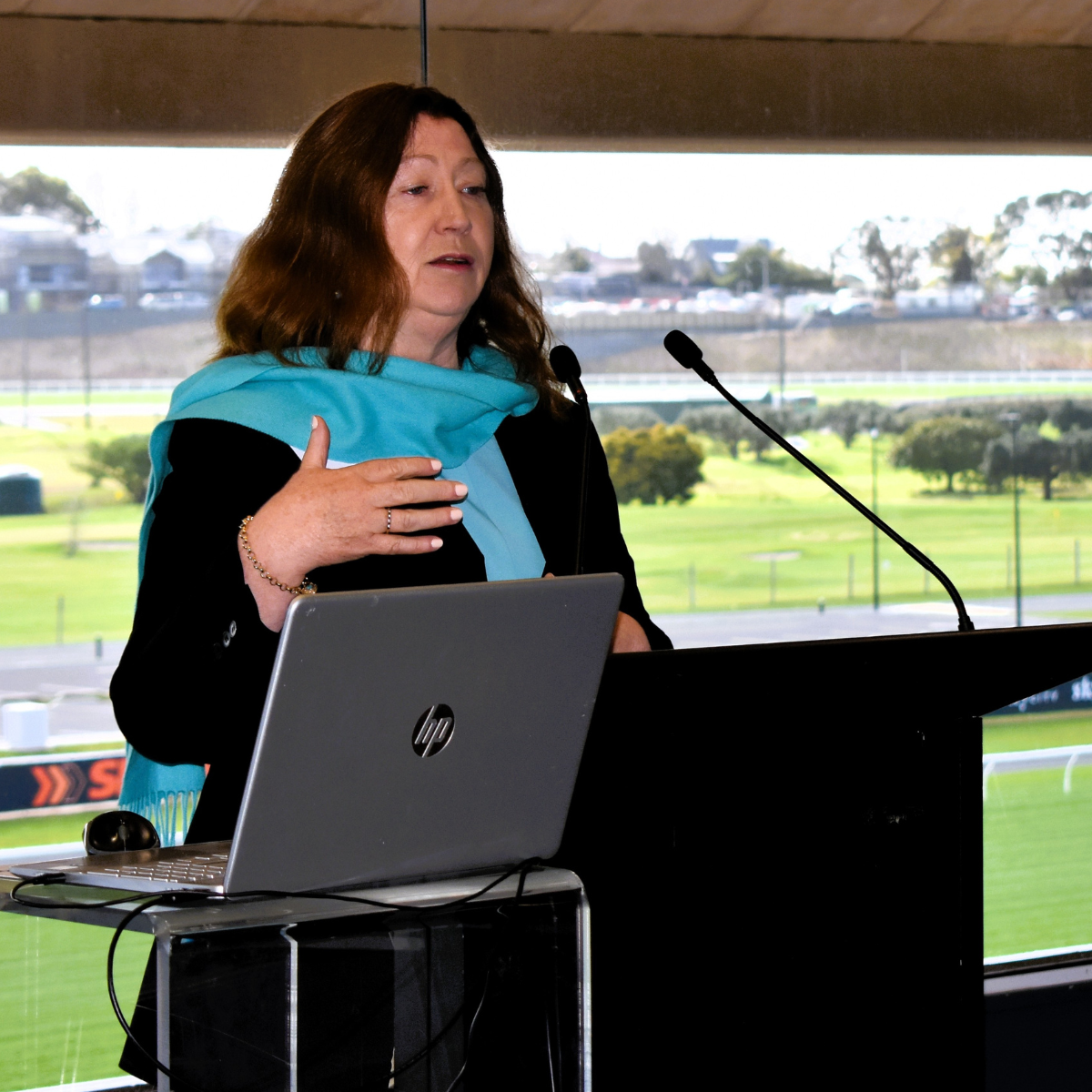
Susan Stevenson
Director, FREEDOM Wellbeing Institute
Director, New Zealand Curriculum Design Institute | Lead Researcher,
Universal Wellbeing Model
-
After work in education and government contexts, Susan facilitated staff teaching excellence at HEDC, University of Otago. She was then selected as one of two people to implement the Treaty of Waitangi initiative — a first‑of‑its‑kind equity and quality programme at the university. Susan was later invited to design and lead a new degree in the Health Sciences Faculty at Auckland University of Technology, where she gained recognition for innovative research and ethics leadership in an emerging field. Susan founded the New Zealand Curriculum Design Institute and led the design of over 400 higher‑education programmes. In 2008, she joined an extended wellbeing research initiative aimed at increasing programme completion rates in deprived communities, which led to the founding of the FREEDOM Wellbeing Institute. Her research underpins the Universal Wellbeing Model, the UWEL Evaluation Tool, new definitions of Universal Wellbeing, and the Determinants of Universal Wellbeing. Editors of the 6th World Conference on Psychology and Behavioral Science (London, 2025) described her work as “an important advancement in wellbeing research.” Susan now focuses on testing and expanding access to the Universal Wellbeing Charter: A Framework for Global Primordial Prevention. International interest has led to conference presentations in Australia, Dublin, Florence and Cape Town in 2026. A Universal Wellbeing Advisory Board has been formed and is working toward establishing a Prevention Universal Wellbeing Implementation Centre. Currently, ten research projects are underway, testing the Universal Wellbeing Theory of Change through three standardised intervention programmes across diverse settings. Her research explores what wellbeing is, how it is influenced, and how it can be enhanced, maintained and measured across individuals, organisations, communities and society to realise human potential and improve equity outcomes.
At the Australian Universal Wellbeing Symposium 2026, Susan will present on the Universal Wellbeing Model, wellbeing measurement, and the future development of prevention-focused wellbeing policy and practice in Australia and internationally.

Dr Karen Hacker
Former Director, National Center for Chronic Disease Prevention and Health Promotion, CDC | Adjunct Professor, Emory University
-
Dr Karen Hacker is a public health physician, researcher, and leader with more than three decades of experience advancing population health, chronic disease prevention, health equity, and public health policy across the United States.
She previously served as Director of the National Center for Chronic Disease Prevention and Health Promotion at the U.S. Centers for Disease Control and Prevention (CDC), where she led national initiatives focused on preventing chronic disease, addressing health disparities, strengthening public health systems, and improving health outcomes through evidence-based policy and practice.
Currently an Adjunct Professor at the Rollins School of Public Health at Emory University, Dr Hacker continues to contribute to research, education, and policy development, with a particular focus on prevention, social determinants of health, community partnerships, and population wellbeing.
Throughout her career, Dr Hacker has worked across government, healthcare, academia, and community settings, championing upstream approaches that address the underlying drivers of health rather than responding only after illness occurs. Her work has helped shape national conversations around prevention, health equity, and systems-based public health practice.
At the Australian Universal Wellbeing Symposium 2026, Dr Hacker will present on:
Chronic disease prevention and global health trends
Social determinants of health and their impact on long-term wellbeing
Moving upstream through prevention-focused health systems
Addressing social needs within healthcare settings
Community Care Hubs and integrated models of care
Public health policy, systems thinking, and environmental approaches to prevention
Her presentation brings extensive international public health leadership and practical experience to discussions on prevention, systems change, and creating healthier communities through evidence-informed policy and practice.
Keynote presenters for the Australian Universal Wellbeing Symposium will include leading researchers, practitioners, and sector leaders contributing to prevention-first approaches to improving wellbeing outcomes across Australia.
Keynote presenters are invited by the symposium organisers and will represent a range of sectors including research, education, health, policy, community services, and industry.
Confirmed keynote presenters will be announced as they are finalised.
Symposium Themes
Keynote presentations will explore topics related to prevention-first Universal Wellbeing approaches, including:
• Mental health and suicide prevention
• Sexual and family violence
• Chronic illness and public health
• Educational achievement and engagement
• Workplace wellbeing and productivity
• Social cohesion and equity