
The Future of Wellbeing: The Universal Wellbeing Charter
The Universal Wellbeing Charter was officially launched during Techweek 2026
as a free public session led by FREEDOM Wellbeing Institute and NZCDI.
This recording introduces the Charter as a prevention-focused framework for addressing the root causes of wellbeing challenges across education, health, workplaces, communities, and society.
You can download the Universal Wellbeing Charter here and are welcome to share your reflections, questions, or ideas with us.
Sample of evidence-based references underpinning the Charter below,
over 700 more available at
THE SOURCE
REGISTER YOUR UNIVERSAL WELLBEING PROJECT / EVENT
This form is for leaders, organisations, communities, and individuals exploring practical Universal Wellbeing supporting change.
Submissions help us better understand your projects, pilot ideas, partnerships, interventions, and areas of interest connected to Universal Wellbeing.
Download and complete the UWC Projects Register Form below, then email the completed form to: admin@nzcdi.ac.nz
UWCIAB Member Statements
As part of the Universal Wellbeing Charter launch during Techweek 2026, members of the Universal Wellbeing Charter International Advisory Board (UWCIAB) shared reflections on why prevention-focused wellbeing approaches matter and why they chose to support the Charter.
These statements bring together perspectives from across education, health, research, leadership, and community sectors, highlighting the importance of earlier prevention, system-level thinking, and cross-sector collaboration in shaping long-term wellbeing outcomes.
Watch the UWCIAB member statement video below.
Meet the Universal Wellbeing Charter International Advisory Board (UWCIAB)
The Universal Wellbeing Charter International Advisory Board (UWCIAB) brings together leaders, researchers, practitioners, educators, policymakers, and community representatives who share a commitment to prevention-focused Universal Wellbeing.
Members contribute their expertise, experience, and perspectives to support the ongoing development, promotion, and implementation of the Charter across education, health, workplaces, communities, and society.
The Board reflects the Charter's commitment to collaboration, evidence-informed practice, and long-term wellbeing outcomes through collective leadership and action.
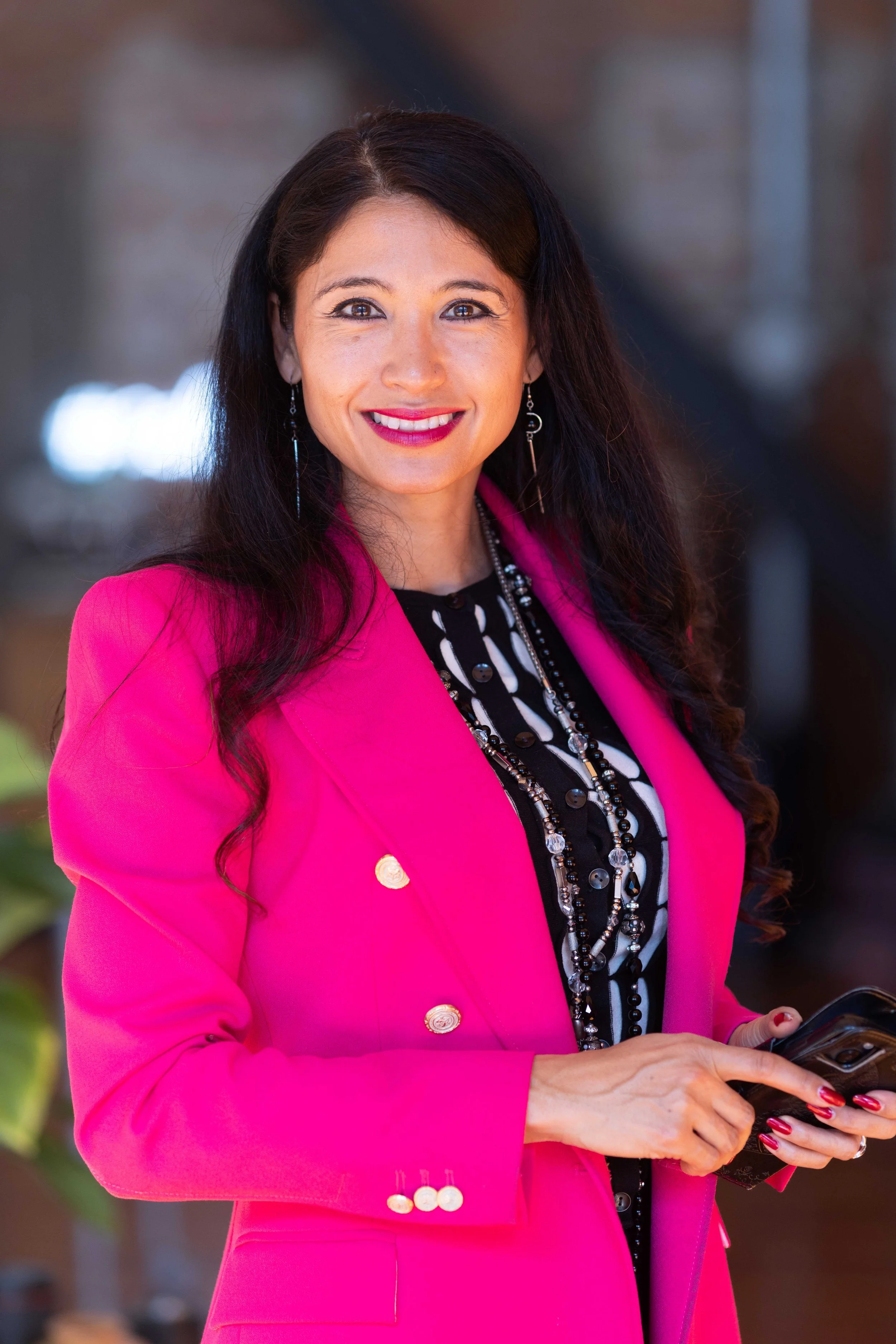
Dr Yvonne Chan Cashmore
Conscious Living & Wellbeing Consultant | Conscious Creations Collective
-
Dr Yvonne Chan Cashmore is a multidisciplinary creator, strategic engagement specialist, and conscious living consultant whose work explores the relationship between people, environments, wellbeing, and human potential.
With a background in Textile Design and a PhD in Smart/Intelligent Textiles, her research and practice bring together sensory environments, spatial awareness, emerging technologies, and wellbeing-focused design to create meaningful human experiences.
Yvonne is the creator of Interactive Healing Environments (IHE), a multi-sensory framework integrating sound, scent, light, art, and participatory engagement to support wellbeing, self-connection, and restorative experiences.
She has also held senior leadership roles at Auckland University of Technology, where she specialised in developing strategic partnerships across education, industry, government, community, and non-profit sectors.
As a member of the Universal Wellbeing Charter International Advisory Board (UWCIAB), Yvonne supports prevention-focused approaches that explore how environments, sensory awareness, and conscious connection can contribute to individual and collective wellbeing.
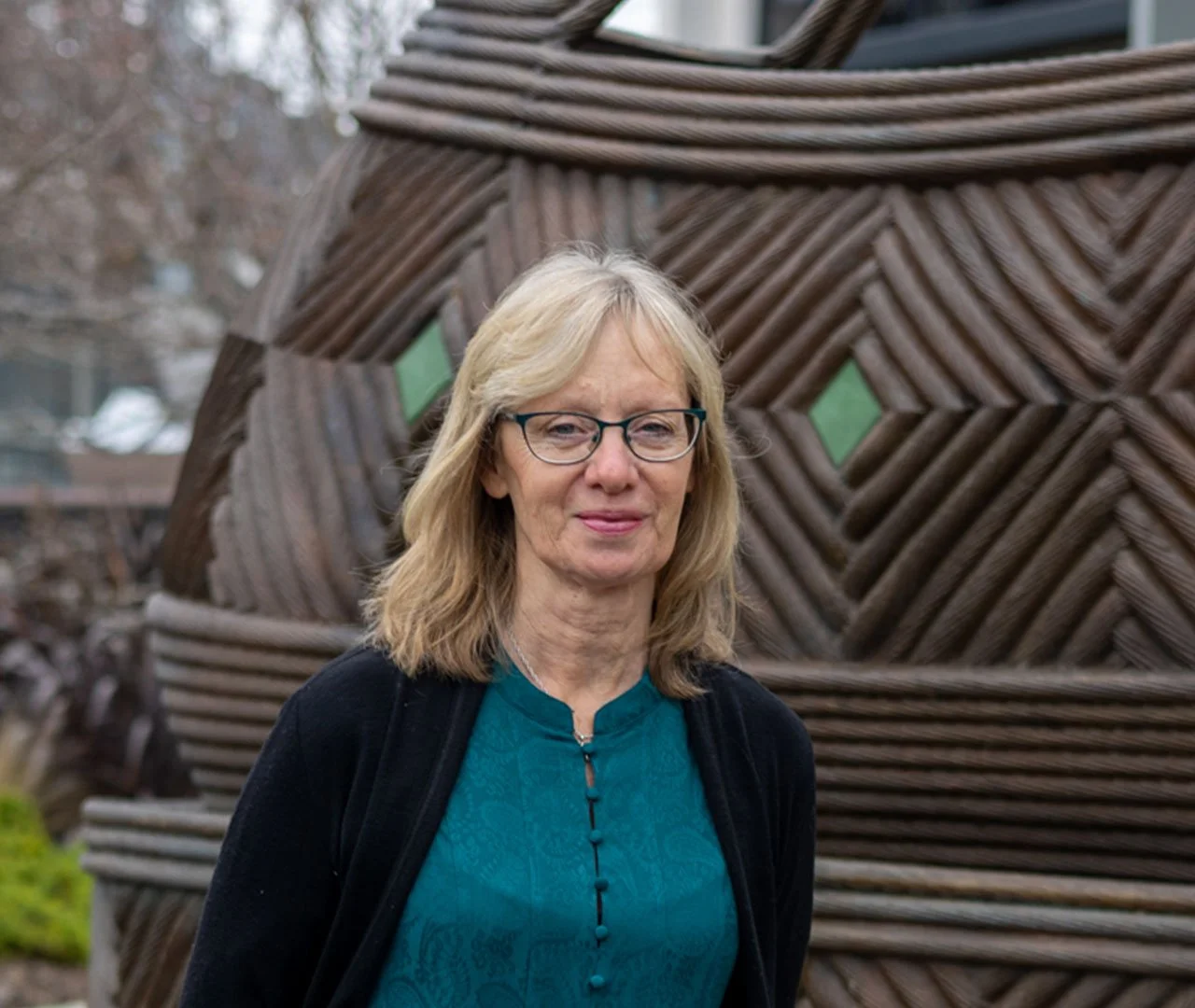
Professor Yvonne Thomas
Professor and Research Coordinator, School of Occupational Therapy
-
Professor Yvonne Thomas is a registered Occupational Therapist, educator, and researcher with extensive experience across mental health, social care, stroke rehabilitation, and higher education. She has led occupational therapy programmes in both Australia and the United Kingdom and is committed to accessible, student-centred education and increasing diversity within the health professions.
Her research focuses on innovative professional practice, practice education, and understanding and enhancing wellbeing, particularly for marginalised and socially disadvantaged populations. As a member of the Universal Wellbeing Charter International Advisory Board (UWCIAB), she contributes expertise in wellbeing, inclusion, education, and evidence-informed approaches to improving individual and community outcomes.
Samantha Teinakore
Mental Health Nurse & Educator
-
Samantha Teinakore is a mental health nurse and educator with experience across clinical practice, primary mental health, and tertiary education in New Zealand and Australia. Her work is informed by a strong interest in wellbeing, mental health, and culturally responsive practice, including research exploring perceptions of Te Whare Tapa Whā among Māori and non-Māori mental health nurses. She is committed to supporting holistic approaches that strengthen individual, whānau, and community wellbeing.
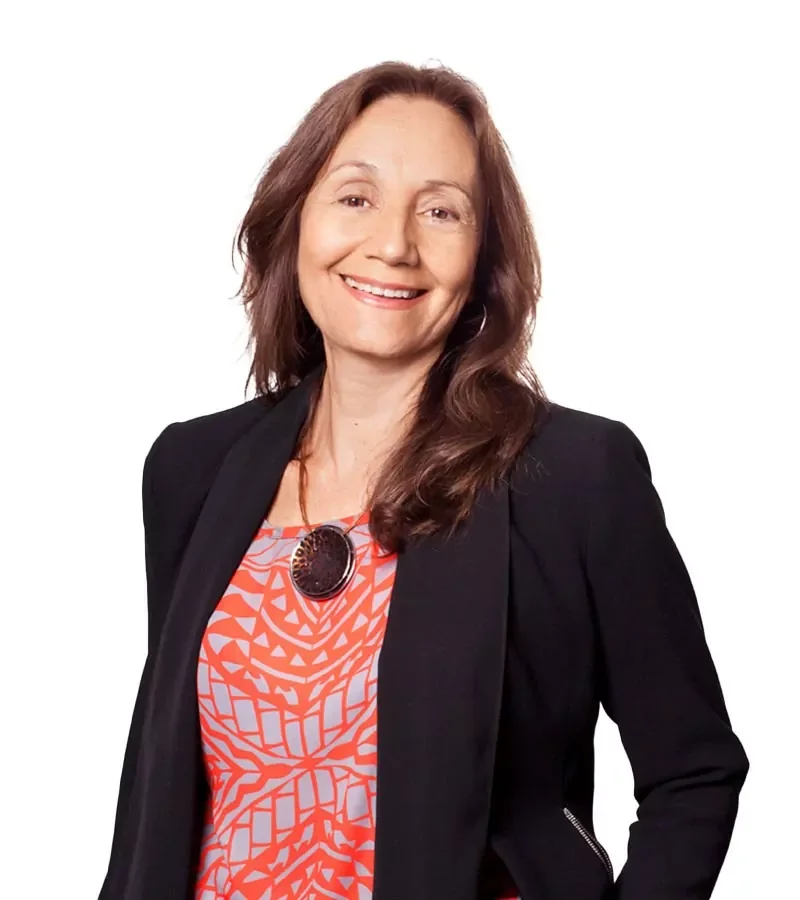
Denise Kingi-Uluave
Specialist Clinical and Translational Lead,
Le Va/Wise Group
-
Denise Kingi-Uluave is a senior clinical psychologist, researcher, and wellbeing leader with extensive experience across mental health, suicide prevention, workforce development, and community wellbeing. Her work focuses on translating evidence into practice, strengthening prevention approaches, and improving wellbeing outcomes for diverse communities. She is a passionate advocate for prevention-focused systems that support long-term mental health and wellbeing for individuals, families, and communities.
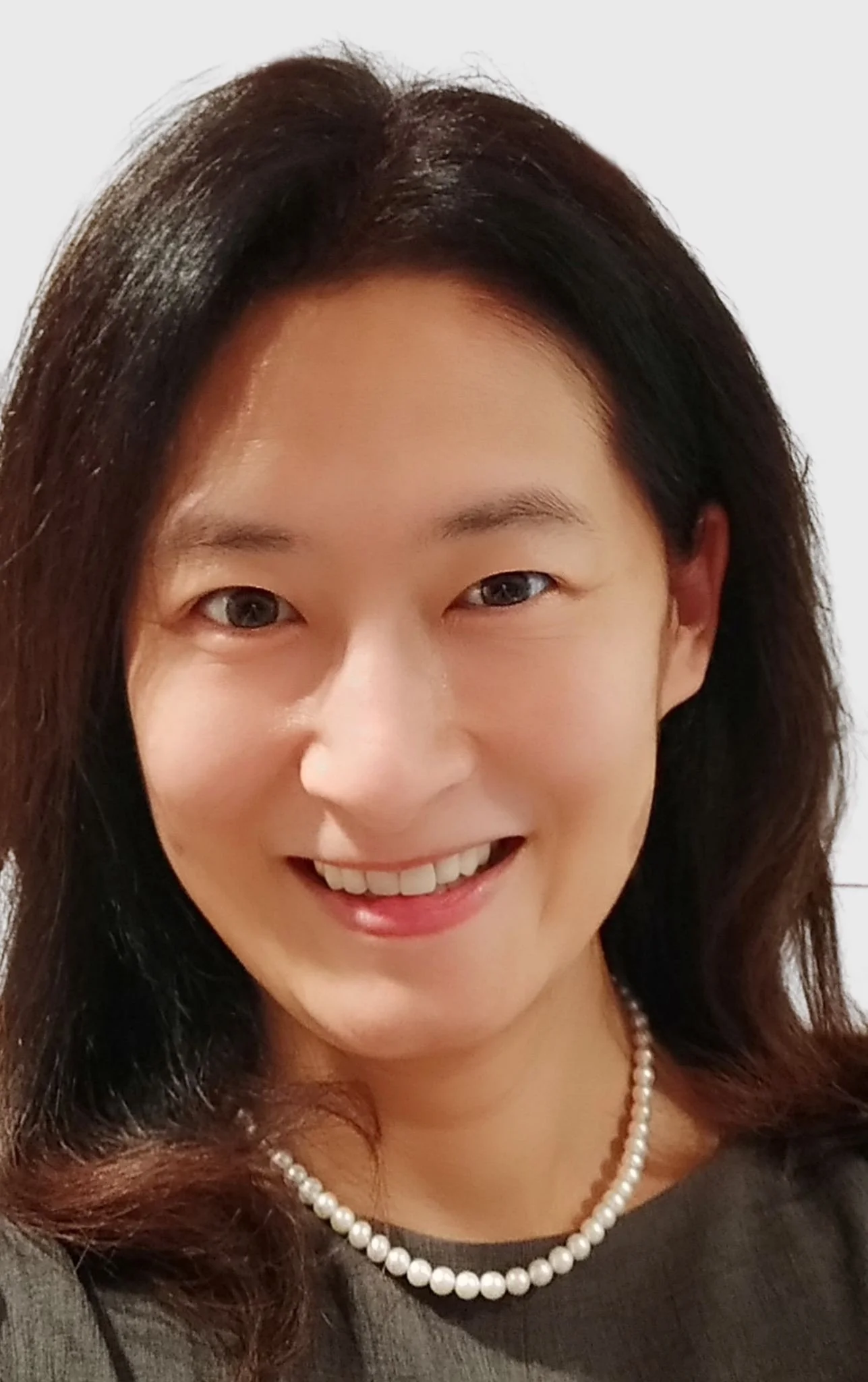
Dr Yoko Mori
English Lecturer
Institute of Science, Tokyo, Japan
-
Dr Yoko Mori teaches English communication to healthcare students at the Institute of Science Tokyo, Japan. Through her work in English education and academic development, she promotes inclusive learning environments where every voice is heard and valued. Her interests include communication, wellbeing, and supporting meaningful connections that help individuals and communities thrive.
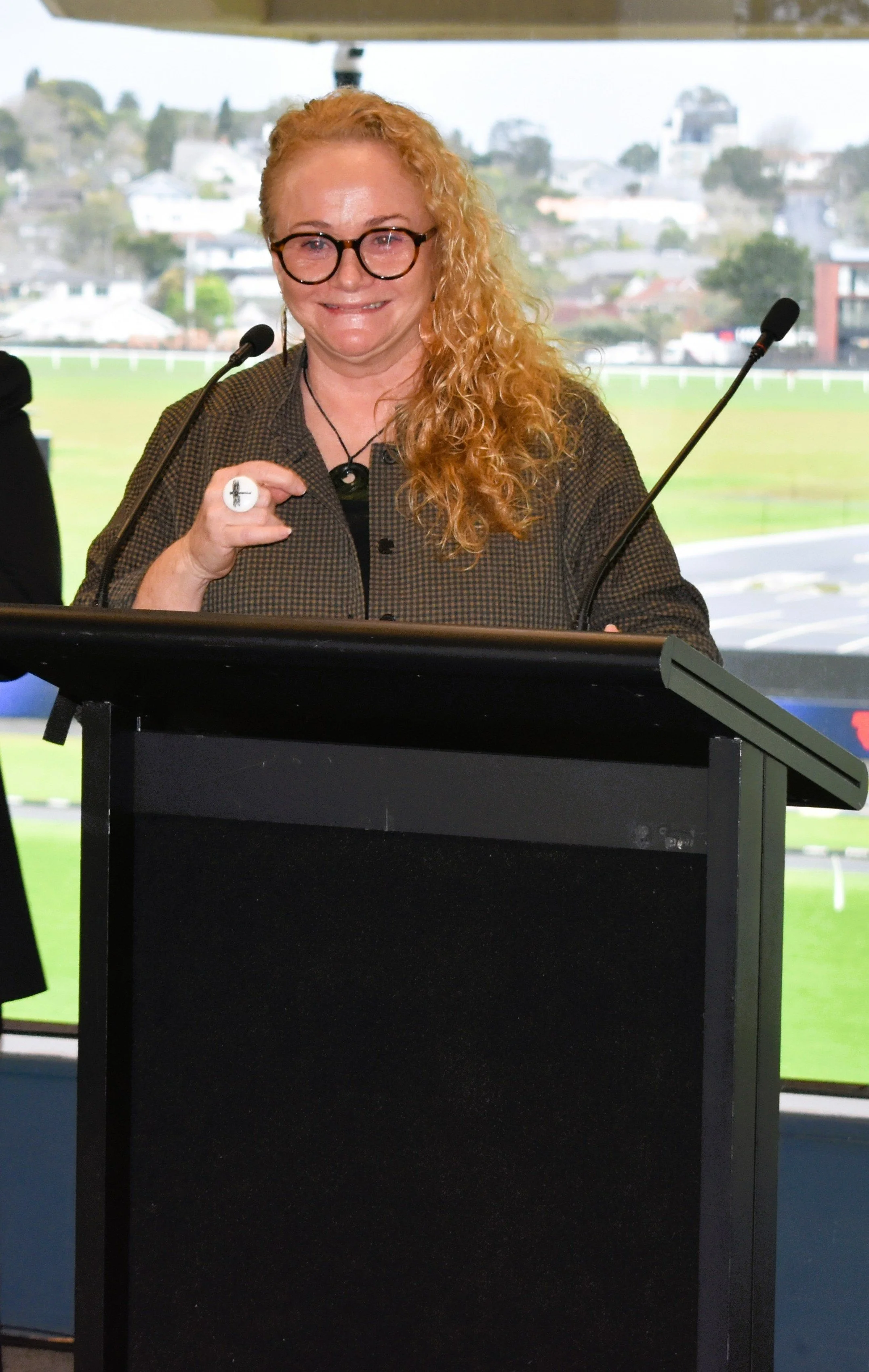
Dr Julie Avery
Director, TiiDE Tapui Limited
-
Dr Julie Avery is a researcher, psychologist, and trauma-informed systems leader with extensive experience across health, education, community services, and organisational development. Her work focuses on creating safe, equitable, and wellbeing-centred systems that support individuals, communities, and organisations to thrive through sustainable and evidence-informed change.
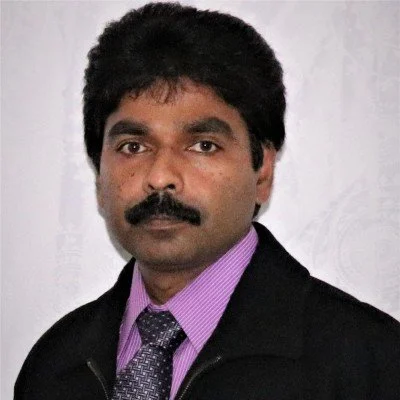
Amal Ariyaratnam
Senior Manager – Health, Safety, Environment, Wellbeing and Injury Management, Serco New Zealand
-
Amal Ariyaratnam is a health, safety, and wellbeing leader with extensive experience across healthcare, construction, infrastructure, and public sector environments. His work focuses on creating safe, resilient, and high-performing workplaces through effective leadership, risk management, psychosocial safety, and organisational wellbeing. He is committed to supporting practical approaches that strengthen workforce wellbeing, safety culture, and long-term organisational performance.
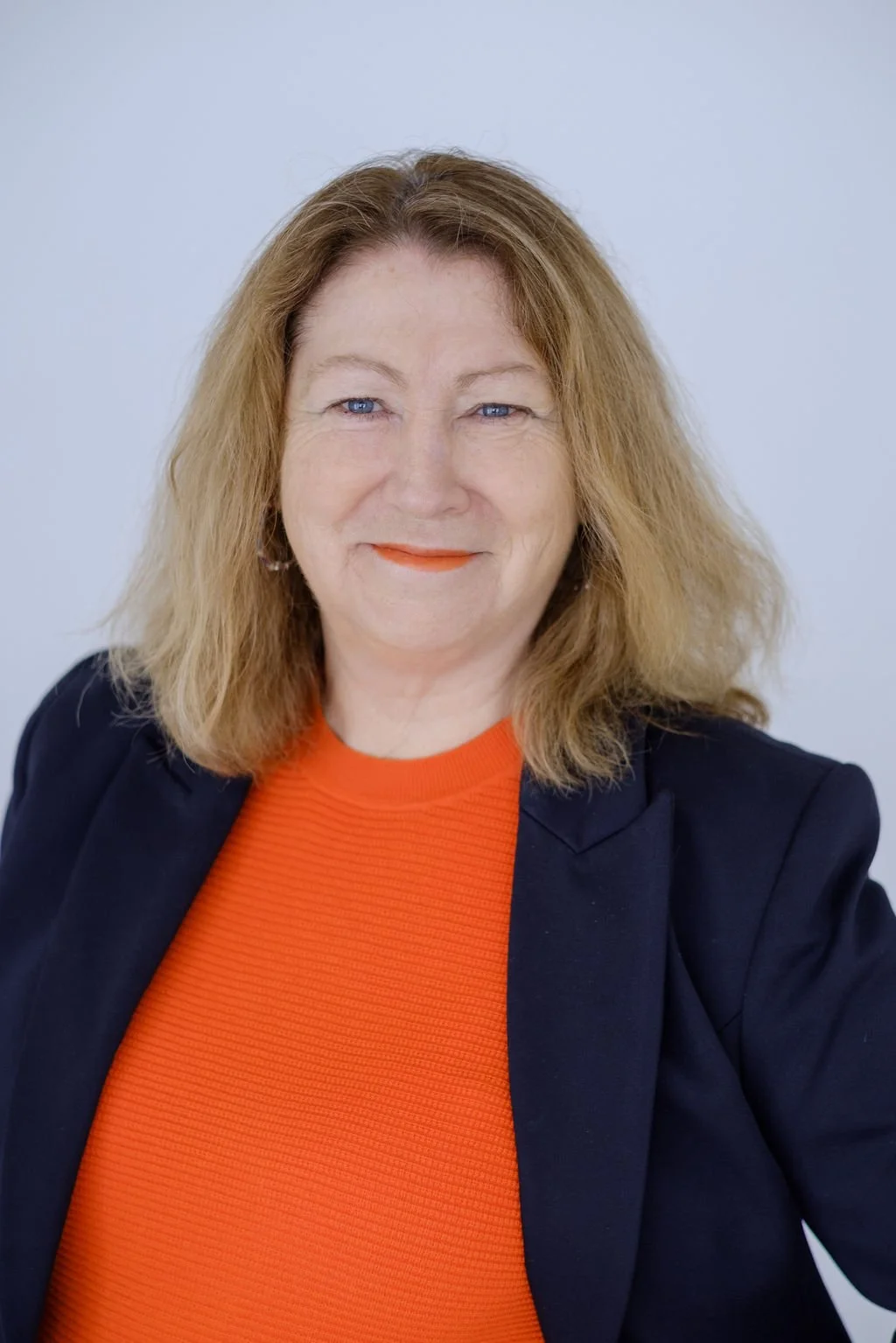
Susan F. Stevenson
Director, FREEDOM Wellbeing Institute (FWI) & New Zealand Curriculum Design Institute (NZCDI)
-
Susan F. Stevenson is an educator, researcher, and wellbeing practitioner whose work focuses on prevention, Universal Wellbeing, educational innovation, and systems-level change. With extensive experience across education, community development, research, and leadership, she has led the development of the Universal Wellbeing Model and associated frameworks that support individuals, organisations, and communities to achieve measurable wellbeing outcomes. She is committed to advancing evidence-informed, prevention-focused approaches that create sustainable positive change.
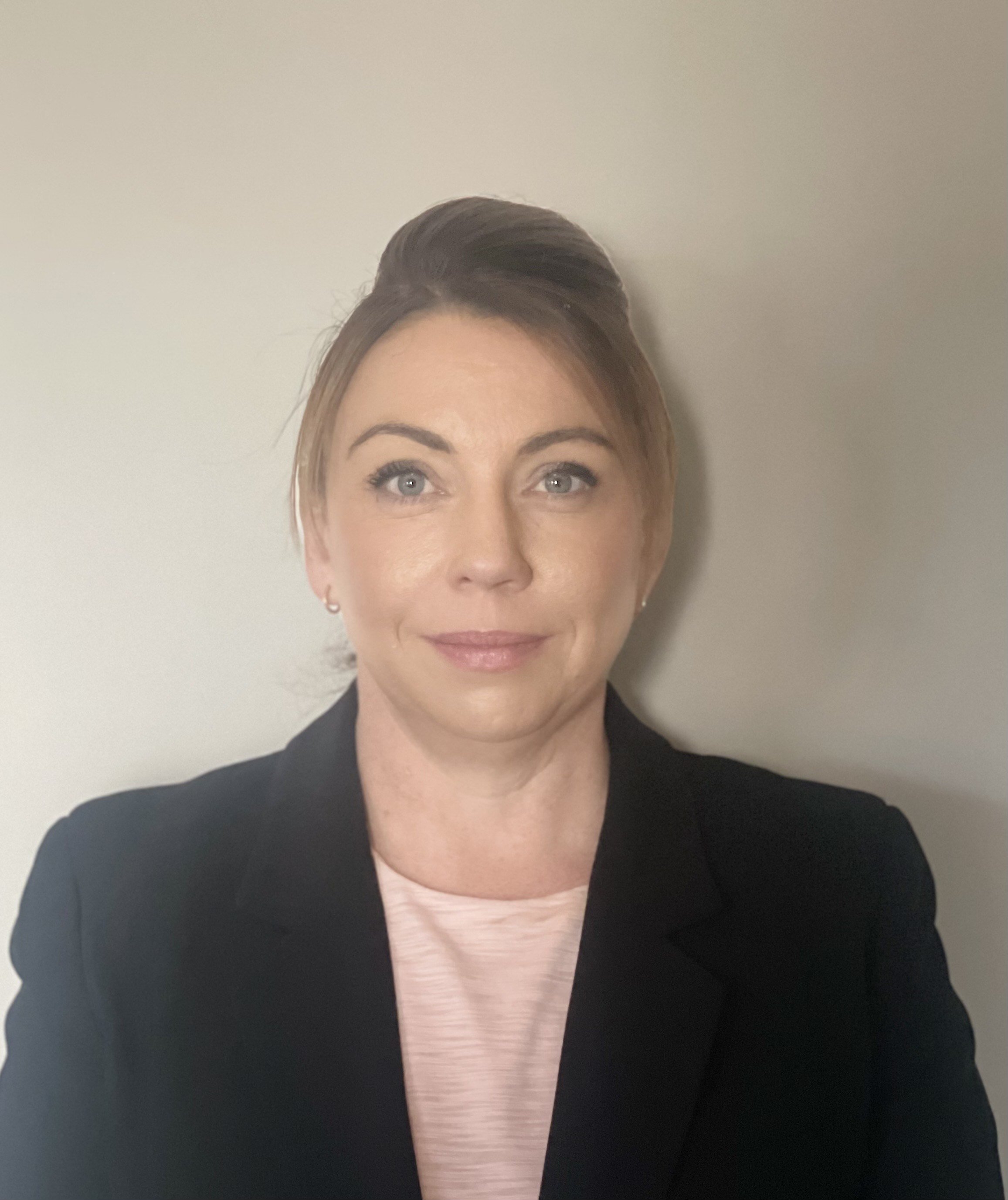
Dr Jolene Morse
Chief Risk Officer, Catholic Education Sandhurst Limited, Australia
-
Dr Jolene Morse is a Chief Risk Officer, Board Director, Lecturer, and Enterprise Risk Management specialist with more than 20 years of experience across education, financial services, health, consulting, wellbeing, and the public sector.
Currently serving as Chief Risk Officer at Catholic Education Sandhurst Limited, she leads risk, governance, compliance, assurance, and organisational resilience across a large education system supporting schools and early childhood services throughout Australia.
Her work focuses on governance, leadership, organisational culture, resilience, and strategic decision-making, helping organisations build trust, strengthen capability, and navigate complexity. Dr Morse holds a Doctorate in Enterprise Risk Management and is undertaking postgraduate studies in Educational Neuroscience.
As a member of the Universal Wellbeing Charter International Advisory Board (UWCIAB), she brings expertise in governance, resilience, ethical leadership, and systems thinking to support prevention-focused wellbeing approaches and long-term organisational and societal outcomes.
Fiona K. Mackay
Therapist, Facilitator & Disability Advocate
Finding Balance Counselling Services
-
Fiona K. Mackay is a therapist, facilitator, supervisor, and disability advocate with more than 20 years of experience supporting wellbeing, trauma recovery, and personal growth. Through her practice, Finding Balance Counselling Services, she works with individuals, groups, and communities using holistic, creative, and evidence-informed approaches that promote healing, empowerment, and resilience. Her work reflects a strong commitment to inclusive wellbeing and supporting people to thrive across diverse life experiences.
Dr M. Tasdik Hasan
Policy and Advocacy Lead, Mental Health Council of Tasmania
-
Dr M. Tasdik Hasan is a physician, researcher, and global mental health advocate whose work focuses on digital mental health, health equity, and improving access to care for underserved communities. His research explores innovative and culturally responsive approaches to mental health support, particularly for vulnerable populations in low-resource settings. Through research, policy, and advocacy, he is committed to advancing inclusive, prevention-focused solutions that strengthen wellbeing outcomes locally and globally.
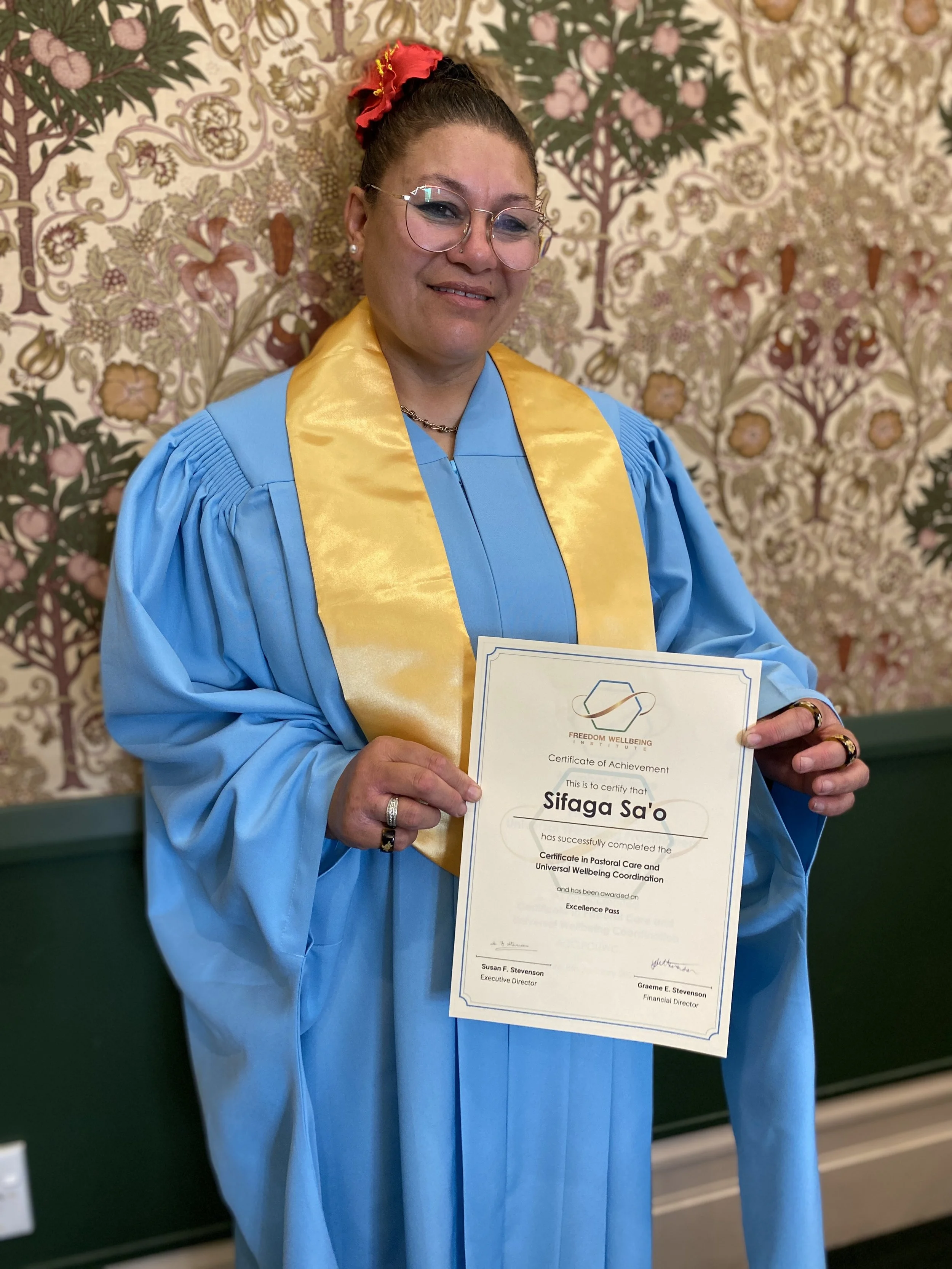
Sifiga Sa'o
Secretary, Universal Wellbeing Advisory Board (UWAB) | Universal Wellbeing Graduate
-
Sifiga Sa'o serves as Secretary of the Universal Wellbeing Advisory Board (UWAB) and is a graduate of the Universal Wellbeing programme. She is passionate about supporting initiatives that strengthen wellbeing, community engagement, and positive social outcomes. Through her governance and community involvement, she contributes to advancing prevention-focused approaches that empower individuals, families, and communities to thrive.
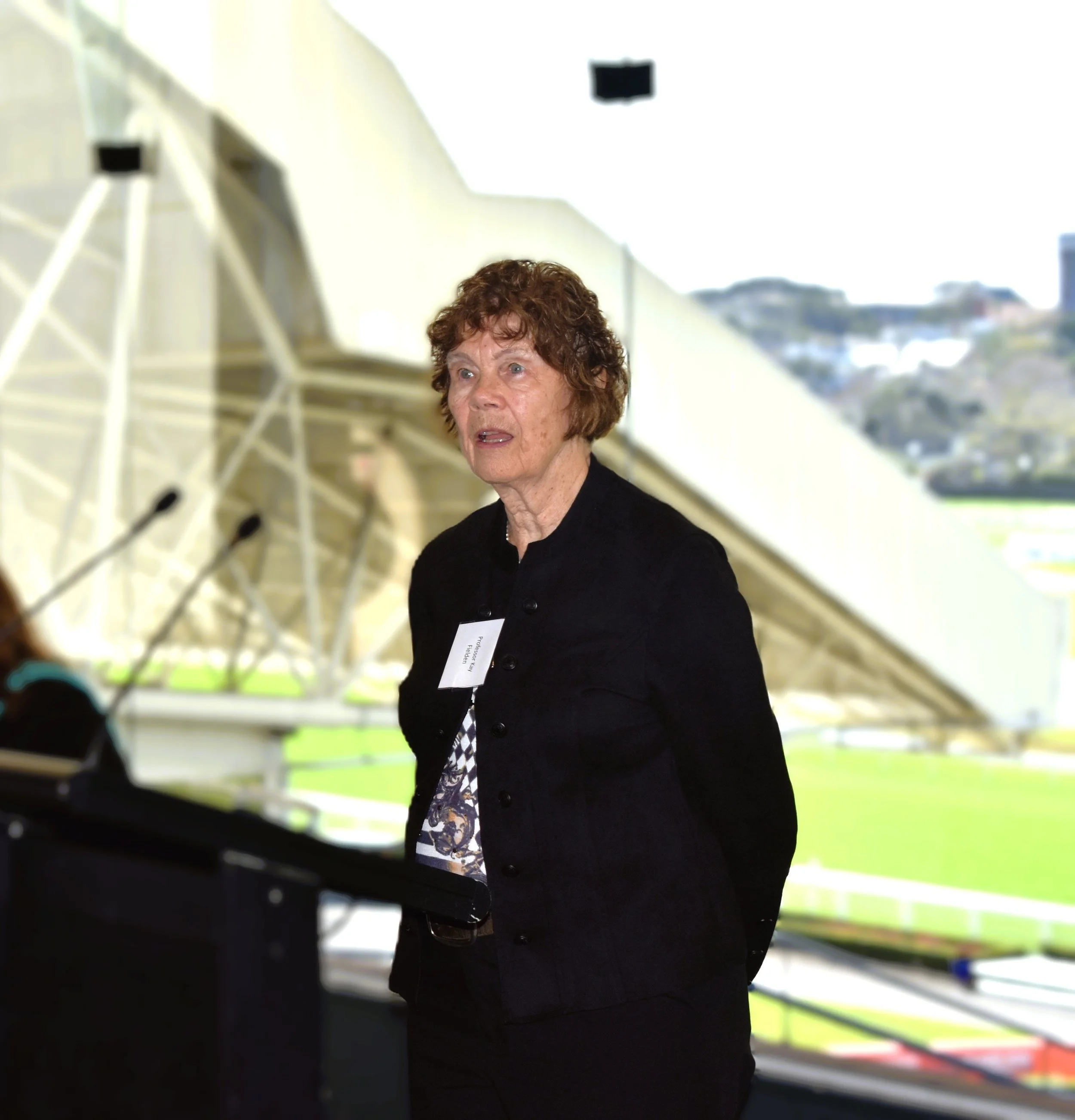
Professor Kay Fielden
Research Manager
FWI & NZCDI
-
Professor Kay Fielden is an experienced researcher, educator, and research leader whose work spans Universal Wellbeing, mindfulness, research methods, information technology, business, and computing. She has led and supported a wide range of research projects across education, wellbeing, and organisational contexts, with a particular interest in translating research into practical, real-world outcomes.
Holding a PhD (SocEc) from the University of Western Sydney, together with qualifications in Computer Science, Professor Fielden brings extensive expertise in research design, evaluation, and evidence-informed practice. As a member of the Universal Wellbeing Charter International Advisory Board (UWCIAB), she supports prevention-focused approaches that strengthen wellbeing outcomes for individuals, organisations, and communities.
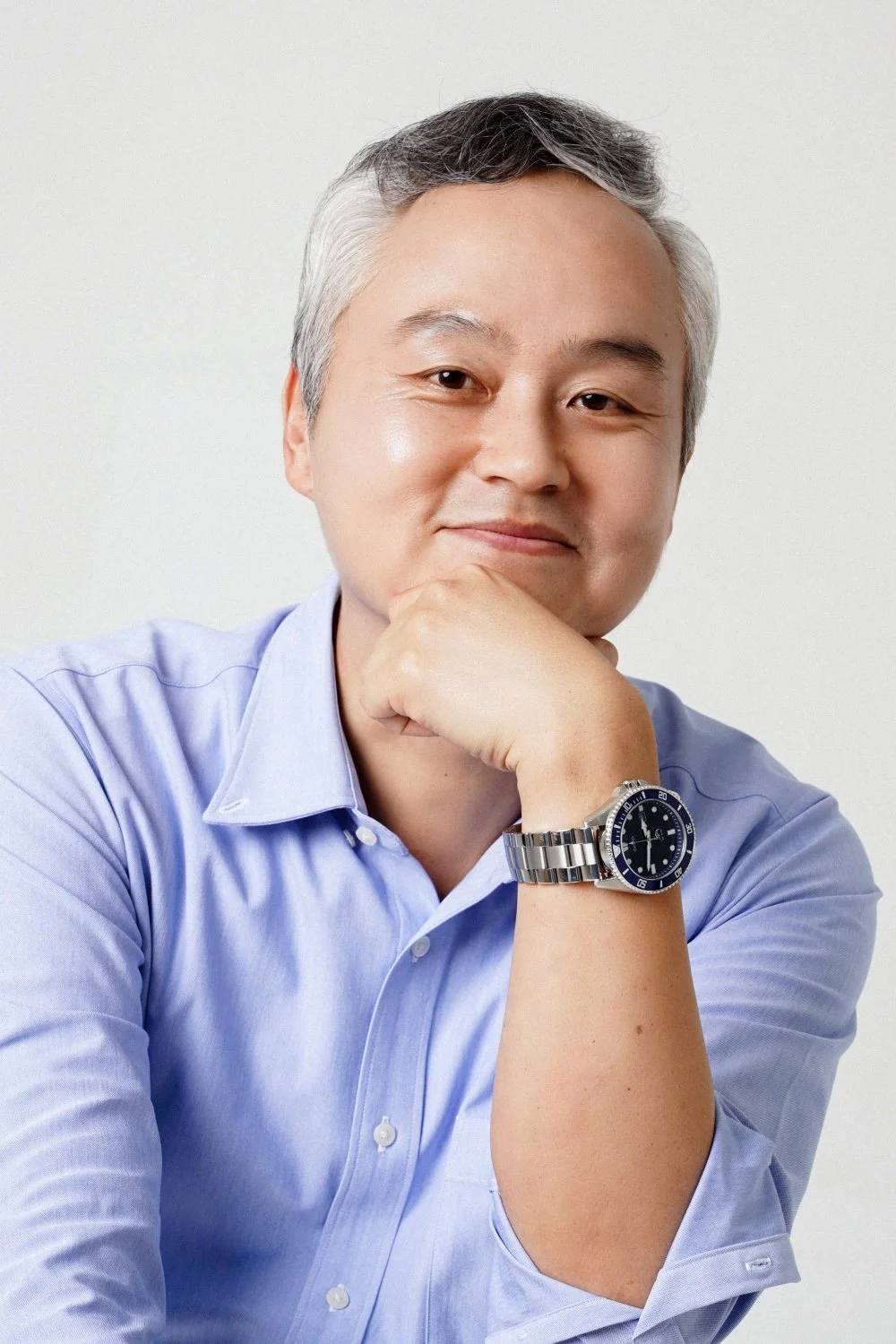
Professor Eisen Shim
Chairperson, Green Medicine Association of New Zealand Inc.
-
Professor Eisen Shim is a researcher, consultant, and educator with expertise spanning health, eco-environmental sustainability, natural medicine, and business development. Based in New Zealand and actively engaged across international academic and professional communities, his work focuses on advancing innovative approaches that support health, sustainability, and community wellbeing through research, education, and strategic leadership.
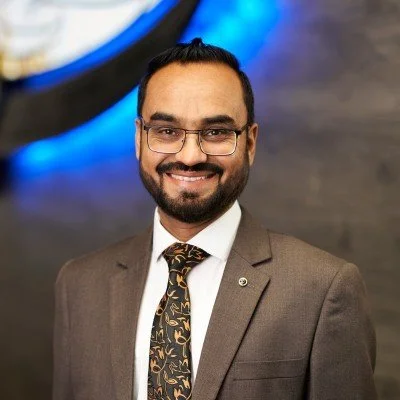
Dr Syed M. Shahid
Senior Postgraduate Lecturer, School of Health & Sport Science, Eastern Institute of Technology (EIT)
-
Dr Syed M. Shahid is a health science researcher, educator, and academic leader with more than 20 years of experience across public health, community wellbeing, non-communicable diseases, mental wellbeing, and digital health. His work focuses on translating research into practical solutions that support diverse communities, improve health outcomes, and strengthen long-term wellbeing through evidence-informed approaches.
Why the Universal Wellbeing Charter Exists ?
The Universal Wellbeing Charter exists to empower measurable improvements in entrenched wellbeing challenges, for example high child and adult suicide, sexual and family violence, addiction and crime, mental health and chronic illness plus low educational engagement and achievement, home ownership and social cohesion. It provides a framework to reframe the challenges and and address them at their source through a community led strategy that includes individuals, families, organisations, communities, nations and the world.
The Universal Wellbeing Charter supports collaborations, community involvement and leadership. It is evidence-based, and implementation science and economically informed to drive changes to how wellbeing is understood, embedded and addressed across systems that affect people’s lives, and governed.
This Charter focuses on primordial prevention, that is, addressing the root causes of poor Universal Wellbeing at their source and before harm, disengagement, and long-term costs and consequences occur.
WHAT THIS IS / WHAT THIS IS NOT

The Charter has no:
- political orientation or affiliation
or money making objective.
The Universal Wellbeing Charter is:
Evidence-informed
Grounded in prevention and implementation science approaches
Informed by real world economics
Designed for practical, real-world implementation by everyday people
Framework to support measurable change.
PLUS a very good idea
WHO THIS IS FOR
Who the Charter Is Designed to Support:
Governments & Public Sector
Supporting prevention-focused wellbeing strategies, policy alignment, and long-term system design.Organisations & Workplaces
Reframing wellbeing as a foundational system for performance, sustainability, and people outcomes.Education, Health & Community Systems
Moving beyond reactive models toward coherent, prevention-led approaches.Individuals, Community and NGOs
Implementing grassroots solutions with, in and by individuals and communities
Wellbeing will not change unless we support it to do so
-
Wellbeing will not change unless we support it to do so -
Talk to Us About Change
We are inviting leaders, organisations, and regions to start conversations then act on:
Prevention wellbeing opportunities
Charter supported change in your context
Great ideas that improve poor wellbeing
Interventions that empower
Ways to measure improving wellbeing
These conversations will help bring alive the Charter and support meaningful action
Talk to Us About Change

This form is for leaders, organisations, communities, and individuals exploring practical Universal Wellbeing supporting change.
Submissions help us better understand your projects, pilot ideas, partnerships, interventions, and areas of interest connected to Universal Wellbeing.
Download and complete the UWC Projects Register Form below, then email the completed form to: admin@nzcdi.ac.nz